

NBA team building has increasingly become more about avoiding the tax aprons than basketball, and the Detroit Pistons are no exception.
Their standoff with Jalen Duren isn’t because they don’t want to pay him, as this is the type of deal that would have been rubber stamped in the days when exceeding salary cap wasn’t so punitive.
But the Pistons have to think about the ripple effect his contract will have on Ausar Thompson’s and how that will eventually work down the line when the top of the payroll is heavy, and they still need to fill out a competitive roster around them.
None of this started with Duren, as he is just the latest restricted free agent holding out in this new war of attrition. And the Pistons’ issues didn’t start here either.
They started with Cade Cunningham, and a salary rule the NBA needs to tweak so that they are not punishing teams for being good and making it tougher for them to keep their own players.
The NBA needs to tweak the tax rules around supermax contracts
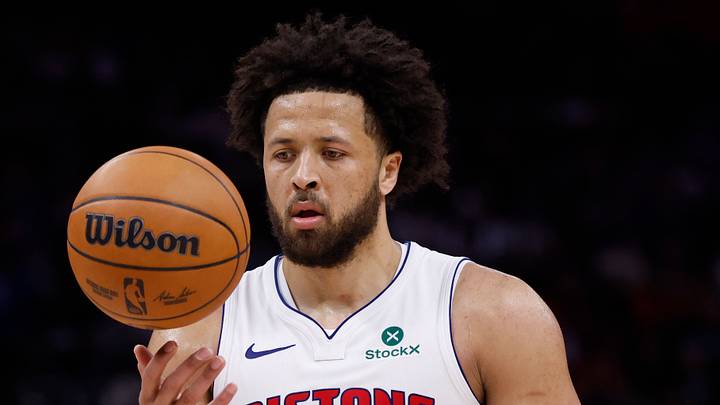
When Cade Cunningham made the All-NBA team in 2024-25, it triggered a clause that made him eligible for 30 percent of the salary cap. Cunningham was going to get a max deal either way, but because of his All-NBA selection, it cost them more.
And that’s fine. You want teams to be able to reward their players for outstanding seasons and to keep guys for the long term to build sustainable success in markets like Detroit where free agents never roam.
But that supermax kicker still counts towards the tax and aprons, which essentially punishes teams for their players having good seasons and makes it more difficult to offer bigger deals to other guys on the roster, which is exactly what is happening with Duren right now.
This seems like a simple fix: Supermax money should not count towards the tax or apron. This way, teams can reward and keep their players while making it slightly easier to keep a team around them. The bulk of their salary would still count towards the tax and aprons, but it would save the teams that extra five or so percent that can make all of the difference to the next guy up for a contract.
Even well-run teams like the OKC Thunder are feeling the pinch, as they are in a small market and had to give away key role players from their championship team to stay under the second apron.
They may not have had to trade guys like Lu Dort and Isaiah Joe if some of SGA’s supermax didn’t count towards the tax.
It’s a simple fix that allows teams to more easily keep their players, and it’s one that I’m sure the players and agents would get behind. It’s the teams (many of which are now run by hedge funds) that will need to be convinced, as the tax rules have given them an excuse not to spend money.
The current CBA has issues, and many of them revolve around these supermax deals, which inhibit a team’s ability to keep their superstar and still have a good team around them.
 Add us as a preferred source on Google