

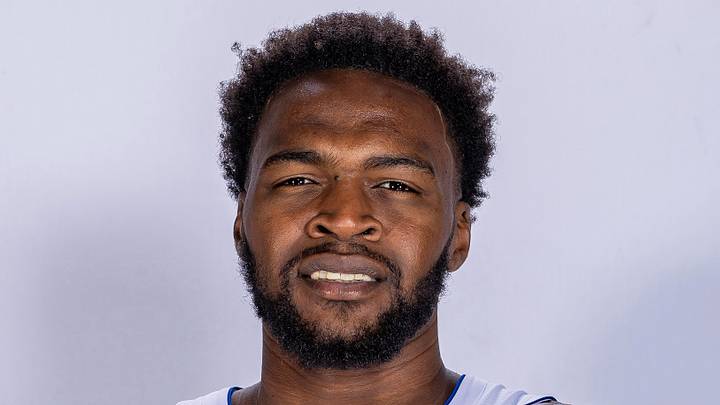
The Pistons’ decision to move on from Isaiah Stewart this offseason was a difficult but necessary one, knowing they had Paul Reed waiting in the wings for a bigger role. Through two preseason games, Reed is proving he can replicate Stewart’s incredible defensive disruption, along with having a lot more versatility on the offensive end.
Reed has a different method of defensive disruption reliant on his active hands and quickness more than Stewart’s method of simply contesting every shot at the rim. But both players are effective in a variety of coverages and able to kickstart the Pistons fastbreak when their defensive activity ends a possession.
Paul Reed gets its done differently with the same result
Compared to Stewart, Reed racks up a lot more steals because of his efforts hedging ball screens and getting his hands into dribbles or passes. Stewart prefers to play a drop style that yields better rim protection results. That’s not to say that Reed is a slouch when it comes to protecting the paint either, though.
Last season, Reed averaged both 2.3 steals and 2.3 blocks per 36 minutes, although he had a smaller overall role. But with the Pistons’ center rotation getting shallower now, he’ll have an opportunity to prove that production can be sustainable beyond 14 minutes per game. Reed will need to step up and at least match Stewart's 23 minutes per game from last season; maybe he will even need to play more since the third-stringer is now Tolu Smith instead of Reed himself.
There's no doube that Stewart was one of the league's best shot blockers last season. He averaged 2.5 blocks per 36 minutes and his emphatic rejections often led to exciting fastbreak opportunities IF the Pistons could recover the shots in play. However, Reed's brand of defense is arguably even better for generating fastbreak buckets because his steals are a guaranteed change of possession and he still has strong shot-blocking numbers too.
Reed's offensive advantages will speak loudest
The most noticeable difference between Stewart and Reed could very well be Reed’s increased offensive capabilities. Reed is a much better finisher around the rim compared to Stewart and he’s also a more confident ball handler. His versatility will give the Pistons more offensive options when he’s on the court.
Reed has shown flashes of creating for himself and others off the bounce too. That’s generally a rare trait for a true center, but potentially a necessary one this season considering the Pistons lost some creation ability over the offseason. There will definitely be some moments where Reed is the Pistons’ best scoring option off the bench.
Detroit was lucky to discover Reed as a serviceable backup center on his current contract. Stewart himself was on a deal with solid value, considering he had stretches last season looking like the best backup big in the league. But Reed is making just $5.6 million this season, so he’ll provide some of the best value in the NBA if his production maintains across more minutes.
 Add us as a preferred source on Google