

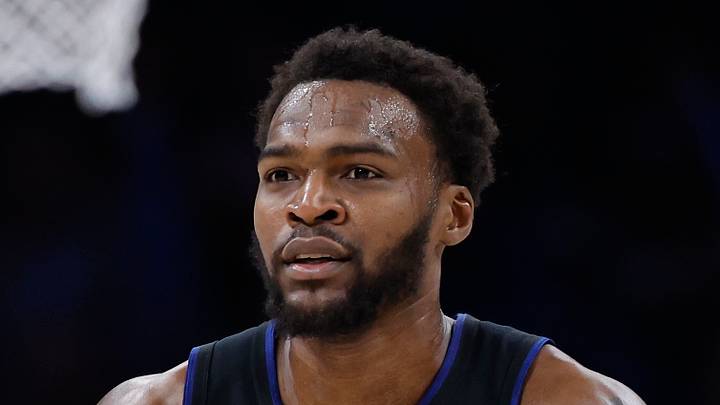
One of the biggest changes for the Detroit Pistons next season will be Paul Reed at the backup center instead of Isaiah Stewart.
Reed went from 45 games played the year before to 65 games played last season, and his effectiveness in the playoffs was enough to convince the Pistons that Stewart was superfluous.
Reed was the more active and dynamic offensive player in the playoffs and has long put up per-36 numbers that look like prime Shaq, and he’ll finally get a chance with the Pistons to show that he is more than just an energy guy who can do it in short bursts.
The Pistons will miss Isaiah Stewart’s shot blocking and toughness, but Reed may actually be a defensive improvement.
Paul Reed makes plays on defense
When you look at the best NBA centers in defensive playmaking, Paul Reed actually tops the list, ahead of defensive standouts like Victor Wembanyam and Mitchell Robinson.
Defensive playmaking is defined as the number of combined steals, deflections, blocks and offensive fouls drawn a player has per 75 possessions.
Reed averaged 6.6 per 75 possessions, just ahead of Wemby, who had 6.2 last season.
Obviously, Reed didn’t play as much as any of the other players on this list, but when he was on the court, he made plays.
In around 14 minutes per game last season, Reed racked up just under a steal and block per contest. Even though Stewart averaged more blocks per game (in nearly 7 more minutes), Reed averaged three times as many steals.
Stewart may be the better shot blocker, but Reed is the more active defender who gets his hands on more deflections, creates more steals and draws more offensive fouls on opponents. Reed has also been the more effective defensive rebounder in his career and will close out more defensive possessions with boards.
What was initially looked at as a defensive downgrade for the Pistons could actually be an upgrade overall even though they do lose some rim protection.
Paul Reed has to prove he can stay on the floor
Reed wasn’t expected to play much when he did get in last season, so when he was on the floor, he played like a maniac, acting as an agent of chaos who didn’t have to worry much about pesky things like fouls.
Reed averaged 1.8 fouls per game last season, second most of his career, even though he was playing only 14 minutes per game.
The Pistons will need him to play over 20 minutes per game next season, something that he has yet to do in his career, so he’ll be in uncharted territory when it comes to role and staying on the floor.
Reed has a chance to offer a more versatile and dynamic option on both ends for the Pistons, but he’ll have to dial back his intensity and show he can provide impact in a bigger role.
 Add us as a preferred source on Google